
Classic Appearance That Adds Lasting Value
Hardwood in the Dallas, GA area for living rooms, dining rooms, and hallways where a timeless finish complements existing architecture
All Service Floor Covering installs hardwood flooring in Dallas, Georgia and surrounding areas, helping homeowners add warmth, character, and resale value to main living spaces. You may choose hardwood when you want a floor that ages naturally, can be refinished multiple times, and provides a classic appearance that works with both traditional and updated interiors. Hardwood is available in several wood species including oak, maple, hickory, and walnut, each with distinct grain patterns, hardness ratings, and color tones that shift under natural and artificial lighting.
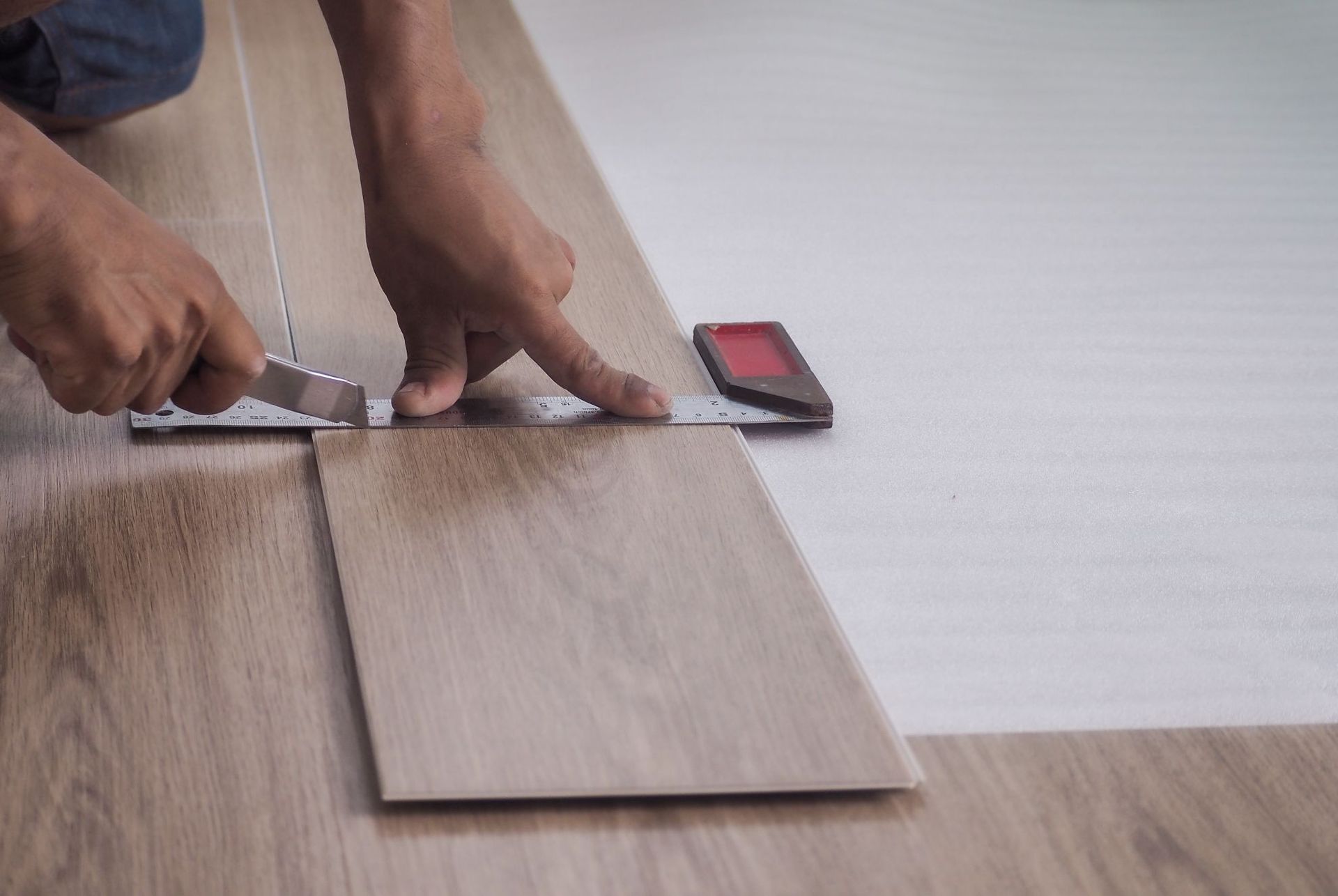
Hardwood flooring is installed by nailing or stapling planks to a wood subfloor, or by gluing them to concrete slabs in cases where nailing is not possible. The subfloor must be clean, level, and dry before installation begins, since moisture trapped beneath hardwood can cause cupping, crowning, or gaps between boards as the wood expands and contracts. Installers check moisture levels with a meter and may delay installation if readings are too high, especially in newer homes where concrete has not fully cured. Plank width and stain color are selected during the estimate, and wider planks tend to show more natural grain variation, which some homeowners prefer for a less uniform look.
If you are upgrading flooring in an older home in Dallas, Kennesaw, Acworth, or a surrounding area, and want a material that can be sanded and refinished as styles change, reach out to All Service Floor Covering to schedule a consultation and review hardwood options in your space.
What Proper Hardwood Installation Prevents Over Time
When hardwood is installed correctly, you will notice that the boards lie flat without cupping or warping, seams between planks are tight and consistent, and the finish is smooth without streaks or uneven sheen. All Service Floor Covering uses moisture barriers when installing over concrete and ensures that expansion gaps are left along walls to accommodate seasonal movement, preventing buckling during humid months. Hardwood naturally expands and contracts with changes in indoor humidity, and proper acclimation before installation reduces the chance of large gaps opening during dry winter months.
After installation, the floor can be walked on once the finish has cured, which typically takes one to three days depending on the product used. You will be able to clean the floor with a damp mop and hardwood-specific cleaner, and minor scratches can be buffed out or addressed during future refinishing. All Service Floor Covering discusses finish options during the estimate, including oil-based and water-based polyurethane, which differ in drying time, durability, and color tone.
Installation timelines depend on square footage and subfloor preparation, but most residential hardwood projects take two to four days from start to finish. Transition pieces are installed where hardwood meets tile or carpet, and baseboards or shoe molding are added to cover expansion gaps. Furniture should be kept off the floor until the finish is fully cured to avoid dents or scuffs in the protective coating.
Questions About Hardwood Flooring and Long-Term Care
Hardwood requires more careful maintenance than synthetic flooring, and understanding how it responds to moisture, sunlight, and impact helps you protect your investment.
What causes hardwood floors to cup or crown after installation?
Cupping occurs when moisture is trapped beneath the boards, causing the edges to rise higher than the center, while crowning happens when the top surface absorbs moisture and the center of the board rises above the edges, both indicating moisture imbalance.
How often can hardwood flooring be refinished?
Most solid hardwood can be sanded and refinished five to seven times over its lifespan, depending on the thickness of the wear layer, while engineered hardwood has a thinner veneer and may only be refinished once or twice before the core is exposed.
When should I avoid installing hardwood in a Dallas home?
Hardwood is not recommended for bathrooms, basements, or other areas with frequent moisture exposure, since water can cause permanent warping, staining, and mold growth that cannot be reversed by refinishing.
How does wood species affect durability and appearance?
Oak is one of the hardest and most popular species for high-traffic areas, maple has a lighter color and subtle grain, hickory is extremely hard but has pronounced grain variation, and walnut offers a rich, dark tone that softens over time with exposure to light.
Why do gaps appear between hardwood boards during winter?
Hardwood loses moisture in dry indoor air during winter, causing the boards to shrink and create small gaps that typically close again when humidity increases in warmer months, though excessively wide gaps may indicate improper acclimation or installation.
All Service Floor Covering works with homeowners throughout Dallas and the Marietta area to select hardwood that suits their design goals and usage patterns, and provides clear guidance on preparation and care. Contact them to discuss your project and review available wood species and finishes.
Request An Estimate
MEET WITH ONE OF OUR SKILLED PROJECT SPECIALISTS TO GET STARTED
Contact Us
We will get back to you as soon as possible.
Please try again later.